How to Prevent Break-Ins: Locksmith Tips to Secure Doors and Windows
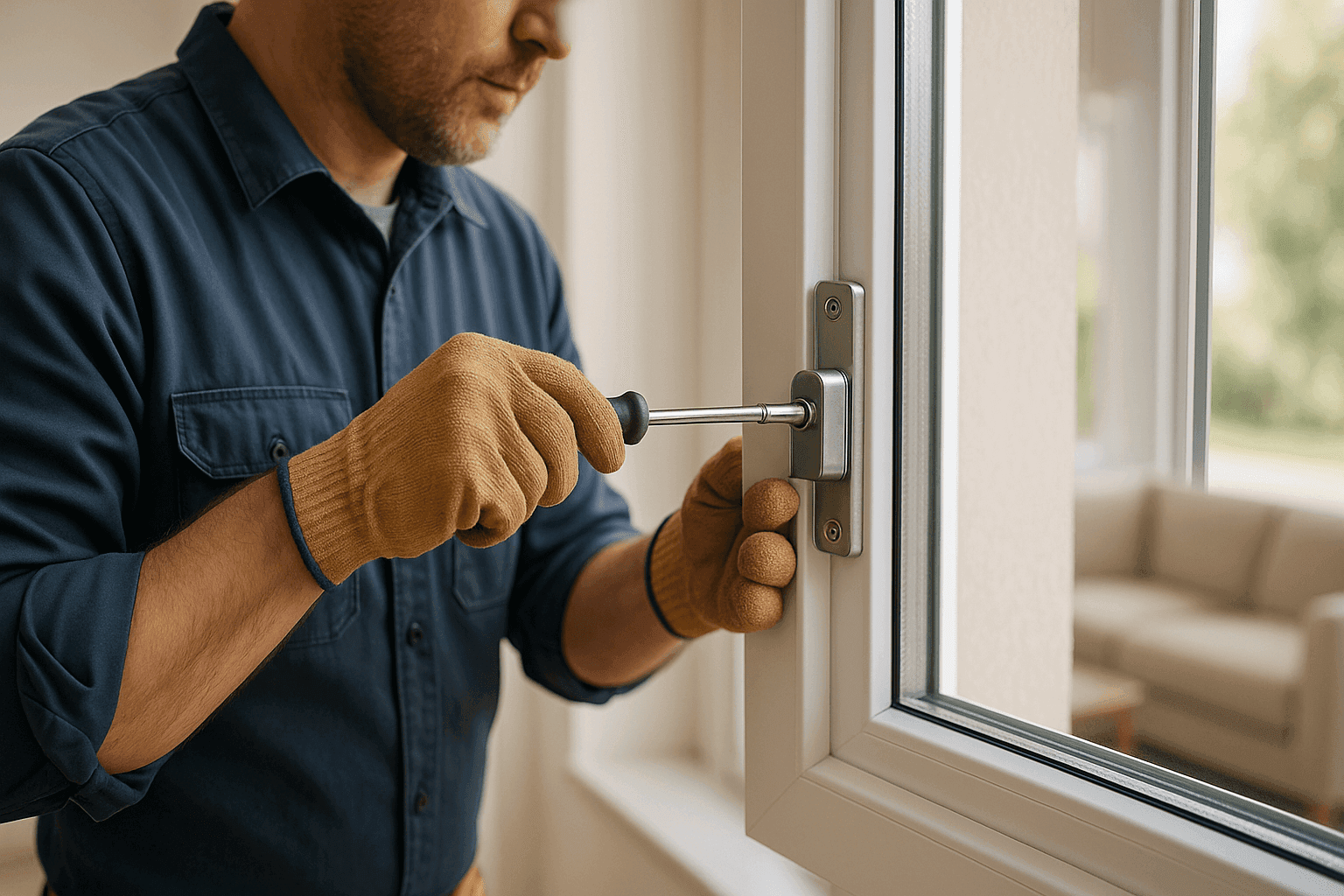
Most break-ins don’t happen like the movies. They’re quick, messy, and deeply unsettling for any homeowner. If you’ve ever lain awake wondering if your doors or windows could be forced open, you’re not alone. At Trusty Locksmiths, we see the aftermath—and help prevent it—every single day.
With years of insurance-backed, ongoing training, our locksmiths have seen what works, what doesn’t, and the small oversights that too often leave families vulnerable. We’re here to share practical steps, not scare tactics, so you can feel safer in your own home.
Why Doors and Windows Are Key Targets 🚪
Doors and windows are the main stage for most break-ins. Why? They’re the easiest, fastest way in. Even newer homes with modern locks often have hidden weaknesses—thin frames, loose latches, or outdated cylinders that snap like dry twigs.
Burglars look for:
- Old or weak locks (especially on side or back doors)
- Windows left slightly open—even on upper floors
- Flimsy or misaligned door frames
- Glass near locks or handles (easy to smash and reach through)
- UPVC doors with worn-out or misfitted gearboxes
If you imagine your front door as a castle gate, ask: is it built for show, or for a real siege? Many times, the answer is the former.
Seasonal note: Break-ins spike during holidays and vacations, when homes are empty. Darker winter evenings also give thieves cover. Keep this in mind all year.
Upgrading Entry Point Security
You don’t need to turn your house into a fortress. But you do need to shore up the weak spots.
Strengthen Your Doors
- Install deadbolts: Not all locks are equal. A proper deadbolt with a 1-inch throw resists brute force.
- Reinforce frames: Door frames are like the spine of your security. Use longer screws (at least 3 inches) on strike plates and hinges.
- Solid core doors: Hollow doors (often used inside) are easy to kick in. Exterior doors should be solid wood, metal, or composite.
- Multi-point locking systems: Especially for UPVC or composite doors. They engage at several points, not just the middle.
Secure Your Windows
- Keyed window locks: Simple, effective, and often overlooked. Especially for ground-floor and accessible upstairs windows.
- Sash jammers: These clamp the window shut—even if the main lock is forced.
- Laminated or toughened glass: Harder to break and helps deter smash-and-grab attempts.
- Window restrictors: Allow airflow but prevent the window from opening wide enough for a person.
Essential Locksmith-Recommended Locks 🗝️
Not all locks are created equal. Here’s what your locksmith would choose for their own home:
- BS3621 Mortice Deadlocks: Required by many insurers. Look for the British Standard kite mark.
- Anti-snap euro cylinders: Burglars can snap standard cylinders in seconds. Anti-snap models are designed to break in a way that keeps the lock secure.
- Multi-point locks: Found on most modern UPVC doors. They need maintenance—don’t ignore stiffness or grinding sounds.
- Night latches (Yale-type): Convenient, but only secure when combined with a deadlock.
- Window locks: Key-operated, with a visible deterrent effect.
If you have lost car keys or need car key cutting, ensure your vehicle locks are equally robust. Car lockouts often reveal hidden vulnerabilities in personal security routines.
Additional Deterrents and Smart Practices
Physical security is only part of the picture. Your daily habits matter just as much.
- Don’t hide spare keys outside. Thieves know the tricks—flowerpots, meter boxes, fake rocks. Consider a coded key safe, or leave a key with a trusted neighbour.
- Keep valuables out of sight. Don’t advertise new tech or jewellery through your windows.
- Good exterior lighting. Motion-activated lights make burglars nervous.
- Trim shrubs and trees. Overgrown bushes provide cover for intruders.
- Visible security upgrades. Stickers, alarms, and cameras (even dummies) can make your home a less appealing target.
- Lock up every time. Even quick errands or short walks. Most burglaries happen in minutes.
Smart locks and control access systems can add convenience and extra control. But always choose models with strong security ratings and have them professionally installed.
What to Do After an Attempted Break-In 🚨
If someone’s tried to force entry—whether they succeeded or not—take it seriously.
- Stay out until it’s safe. Call the police. Don’t risk confronting an intruder.
- Document the scene. Photos can help with insurance and police reports.
- Call a locksmith. Immediate repairs to locks, frames, and glass are crucial. At Trusty Locksmiths, we handle burglary repairs, boarding up, and emergency lockouts 24/7.
- Rekey or replace locks. Especially if keys are missing or locks are damaged.
- Review your security. Use the experience to identify and fix weaknesses.
Quick Home Security Checklist
- Deadbolt on every exterior door
- All windows locked (even small ones)
- No keys hidden outside
- Frames and hinges solid, with long screws
- Alarm system (even basic)
- Good exterior lighting
- Valuables out of sight
- Shrubs and trees trimmed back
Tick these off and you’re already ahead of the curve.
DIY vs. Call a Pro
Some jobs are perfect for handy homeowners. Others need a trained eye.
DIY:
- Fitting simple window locks
- Installing door viewers or chain restrictors
- Changing batteries in smart locks
Call a locksmith:
- Fitting or upgrading mortice deadlocks
- Rekeying or replacing locks after a move or break-in
- Installing multi-point systems on UPVC doors
- Car key programming and ignition repair
- Security upgrades after burglary repairs
With ongoing training and years spent fixing botched DIY attempts, Trusty Locksmiths know where corners are often cut. Don’t risk your family’s safety for a quick fix.
What Pros Do On Arrival
When a locksmith arrives, they’ll:
- Inspect all entry points—doors, windows, even Cabinet & Postboxes near you
- Check locks for compliance with standards (like BS3621)
- Test frame and hinge strength
- Recommend upgrades or essential repairs
- Offer advice on daily security habits
Our locksmiths are fully insured, and every job follows the latest safety codes and guidelines set by industry authorities like the Master Locksmiths Association.
Prevention & Maintenance
Security isn’t a one-time job. Locks wear out. Windows shift. Life changes.
Regular checks:
- Test all locks twice a year (spring and autumn are good reminders)
- Lubricate moving parts with graphite, not oil
- Check strike plates, screws, and hinges for looseness
- Update alarm or smart lock codes after staff changes, moves, or lost keys
If you rent, speak to your landlord about upgrades or repairs. Security is everyone’s responsibility.
Costs & Time Factors
Upgrading your home’s security doesn’t have to break the bank. Costs depend on:
- Type and number of locks
- Door and window materials
- Complexity of installation
A new deadbolt might take less than an hour. Multi-point systems or full door replacements take longer. Emergency calls are always more expensive—prevention is cheaper.
When It’s an Emergency
Locked out? Broken key? Burglary repairs needed late at night? Our emergency locksmith service operates 24/7. Whether it’s lost car keys, ignition repair, or boarding up after a break-in, we’re ready—rain or shine.
Frequently Asked Questions
How often should locks be replaced?
Change locks if you move, lose keys, or after a break-in. High-quality locks can last years with proper care.
Are smart locks safe?
Yes, when properly installed and set up with strong passwords. Choose models with good reviews and security certifications.
Can window locks really stop a break-in?
Yes. Most burglars want a quick, quiet entry. A locked window slows them down or sends them elsewhere.
What about insurance?
Many insurers require specific locks (like BS3621) on doors and windows. Check your policy to avoid rejected claims.
Local and Seasonal Considerations 🌧️
Weather can affect your security. Wood swells in damp, making doors harder to lock—or easier to force. Cold snaps can make metal brittle. Spring and summer bring open windows, tempting opportunists.
During holidays or long weekends, let neighbours know if you’ll be away. Use timers for lights. Pause deliveries that could pile up and signal an empty house.
From Cabinet & Postboxes near you to the back gate, every entry matters. Take nothing for granted.
Your home is your sanctuary. Protecting it shouldn’t be a mystery—or a burden. If you’d like tailored advice or need urgent help, Trusty Locksmiths are here 24/7.
Call Trusty Locksmiths now — or reach us anytime at 855-512-5584 .