How to Upgrade Your Home’s Locks and Handles for Better Security
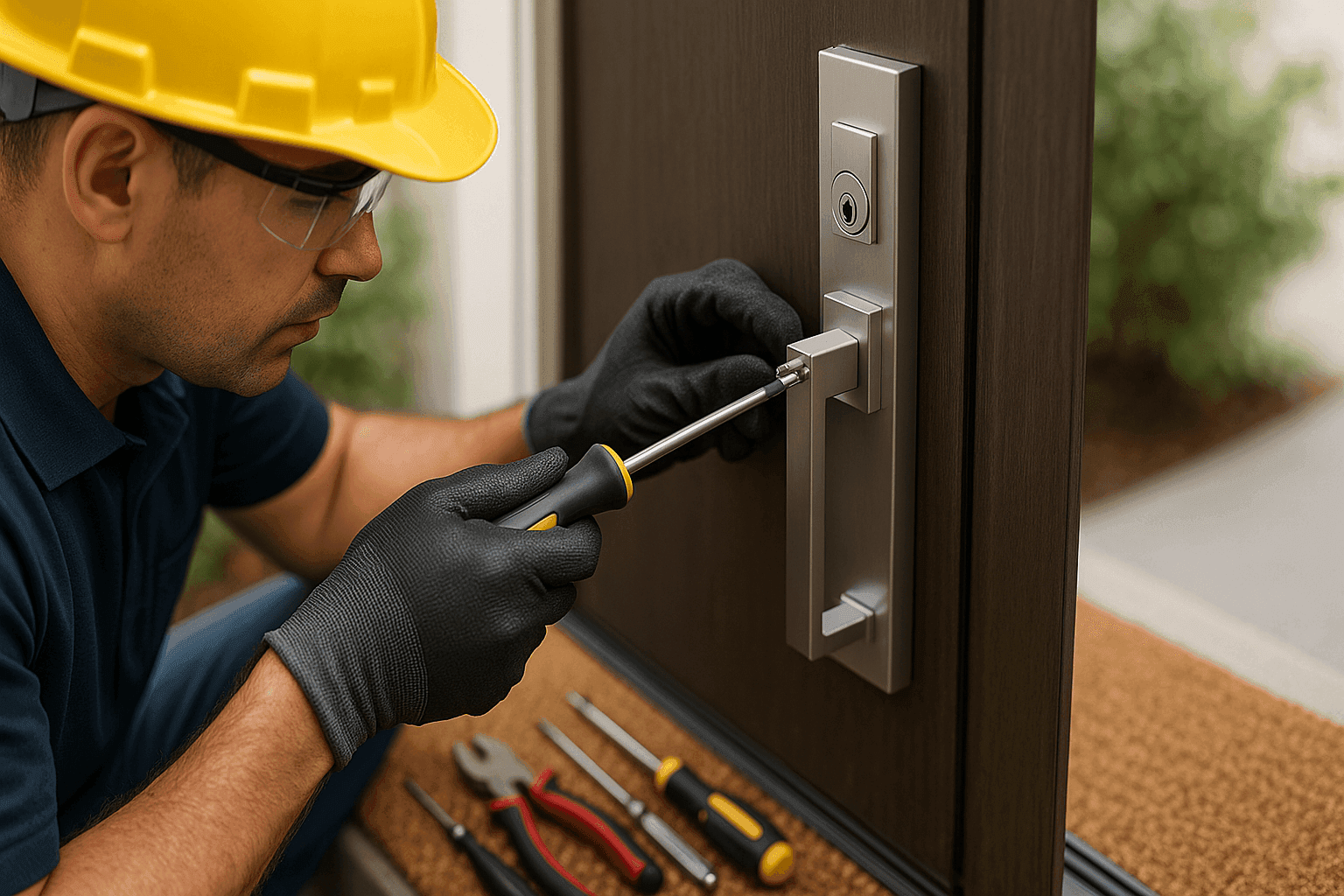
Feeling safe at home isn’t just about locking the door—it’s knowing that what’s guarding your home is truly up to the task. Old locks, worn handles, or dated security can be the weak link that keeps you up at night.
At Trusty Locksmiths, we understand how unsettling it feels to question your home’s defenses. That’s why we help homeowners make informed, confident decisions about lock and handle upgrades—no scare tactics, just real solutions.
Why Upgrade Your Home Locks? 🏠
Imagine your front door as the goalkeeper of your home. If it drops the ball, everything behind it is at risk. For many, the locks and handles on their doors haven’t changed in years—or even decades.
But times change. Burglars are always learning new tricks. Standards improve. Your peace of mind deserves an upgrade, too.
Upgrading your locks and handles matters when:
- You’ve just moved in. You never know who might still have an old key.
- There’s been a break-in nearby, or at your place.
- You’ve lost keys or handed out copies over the years.
- Your locks feel loose, sticky, or outdated.
- You want to boost your home’s value or insurance rating.
Modern locks aren’t just tougher—they’re smarter. Many now resist common break-in methods like lock snapping, bumping, and drilling. Some even offer keyless entry, remote control, or integration with home security systems.
According to the Master Locksmiths Association (MLA), upgrading to locks that meet British Standard BS3621 (or local equivalents) is one of the top ways to deter burglars and satisfy insurers.
Signs Your Locks Need Replacing 🔑
How do you know when it’s time? Look for these red flags:
- Difficulty turning the key: Feels like wrestling a stubborn jar? That’s not normal.
- Visible rust or wear: Flaking metal or sticking handles mean weakened parts.
- Loose or wobbly handles: A sign the internal mechanism is failing.
- Missing security features: No anti-snap cylinder, no deadbolt, or a single basic latch.
- Old locks: If your lock predates smartphones, it’s probably due for a refresh.
- After a break-in: Even if nothing seems broken, hidden damage can make locks unreliable.
It’s like driving on bald tires. You might get away with it—until the day you don’t.
Types of Lock & Handle Upgrades
Not all locks are created equal. Today, you have more options than ever—each with its own strengths.
Popular Home Lock & Handle Upgrades:
- Anti-Snap Cylinders: Specially designed to resist forced entry. Essential for most UPVC and composite doors.
- Smart Locks: Control access with a code, fingerprint, or smartphone app. Great for busy families or rental properties.
- High-Security Deadbolts: Meet or exceed standards like BS3621. Solid metal, pick-resistant cores.
- Multipoint Locks: Secure at several points along the door, not just the handle.
- Keyless Entry Handles: No more fumbling for keys at night.
- Reinforced Handles: Stronger materials, hidden fixings, and anti-twist designs.
- Master Key Systems: Ideal for landlords or multi-generational households.
- Upgraded Window & Patio Locks: Often overlooked, these can be an easy target for intruders.
- Cabinet & Postboxes near you: Small locks matter too—keep sensitive mail and valuables secure.
Material choices are important, too. Brass and steel last longer and resist corrosion better than cheap alloys. For handles, look for solid cores and tamper-proof screws.
Tech advances like anti-bump pins, drill-resistant plates, and encrypted wireless connections put modern locks far ahead of the old-school ones.
For more on standards, check the MLA recommendations or local building codes for your area.
What to Expect from a Professional Installation
You want the job done right. Here’s how the process typically works when you call a locksmith like Trusty Locksmiths:
- Assessment: We check your doors, frames, and current locks. No guesswork—just a clear picture.
- Options & Advice: You’ll get a rundown of suitable upgrades, costs, and security benefits. We’ll explain the pros and cons, in plain English.
- Fitting: We remove old hardware, prepare the door or frame, and install new locks and handles. All work is insured and meets industry standards.
- Testing: Every lock is checked for smooth operation, correct alignment, and proper security features.
- Demonstration: We show you how everything works. Questions welcome.
- Documentation: You get paperwork for your records—important for insurance and warranties.
What to ask your locksmith:
- Are you MLA-approved or hold similar certifications?
- Is your work insured?
- What lock brands and standards do you recommend?
- Will installation damage my door or frame?
- How long will the work take?
- Do you offer emergency service if something goes wrong later?
A professional installation should feel like a breath of fresh air—not a storm of confusion and mess.
Maintaining Your New Locks
Just like a car needs oil or a bike needs air in the tires, locks need a little care to keep them working smoothly.
Quick Lock Care Tips:
- Lubricate the keyway with graphite powder or a recommended spray every 6–12 months.
- Wipe handles and lock exteriors with a soft, damp cloth—no harsh chemicals.
- Check for loose screws or parts every few months, especially after heavy use.
- Never force a stuck key. If it’s jamming, call a locksmith before it breaks.
- If a lock feels wobbly or “off”, get it checked—don’t leave it to chance.
No maintenance can make a bad lock good, but good care keeps great locks working longer.
Security Standards Every Homeowner Should Know
When it comes to locks, there are industry benchmarks to trust:
- BS3621: The gold standard for home locks in the UK. Look for the kite mark.
- EN1303: European rating for cylinder locks.
- UL 437: North American certification for high-security locks.
- PAS24: For enhanced security on doors and windows.
Insurance providers often require these standards. Not sure what you have? Ask your locksmith to check.
Cost & Disruption: What Should You Expect?
Money and mess—two things homeowners worry about.
Cost factors include:
- Type and number of locks/handles being replaced.
- Materials (basic vs. high-security).
- Whether new holes or adjustments are needed.
- Smart features or added security devices.
Upgrading one or two locks can be straightforward, while a whole-house upgrade (doors, windows, cabinets) takes more time and parts.
Good news: Most upgrades are completed in a single visit. Disruption is minimal—think of it like getting a new appliance fitted, not a kitchen remodel.
Your home stays yours. No one’s tearing up floors or leaving a trail of dust.
When It’s an Emergency
Sometimes, you can’t wait. Lost keys, a break-in, or a lock that suddenly fails can leave you stranded.
Trusty Locksmiths offers 24/7 emergency locksmithing—fast, insured, and always with your safety in mind.
What to do in an emergency:
- Stay calm. Don’t try to force the lock yourself.
- Call a qualified locksmith near you.
- If you’ve had a break-in, contact the police first.
- Ask for ID when the locksmith arrives.
- Request a temporary fix if a full repair needs extra time.
In urgent situations, speed and skill matter. That’s why our team is vetted, insured, and trained to handle emergencies of all shapes and sizes.
Common Homeowner Questions
How often should I upgrade my locks?
- If there’s been a security incident, whenever you move in, or every 7–10 years for peace of mind.
Do I need smart locks?
- Not always, but they’re great for busy households, rentals, or anyone wanting convenience and control.
Will new locks damage my doors?
- Not when installed by a professional. We use precise tools and techniques to keep your home looking good.
Can you match my new locks to existing keys?
- In many cases, yes. Ask about rekeying or master key systems.
Local & Seasonal Considerations
Weather and seasons play a role in lock performance. Cold snaps can cause old locks to seize. Humid summers might make wooden doors swell, stressing handles and latches.
If you live in an area with harsh winters or lots of rain, ask about weather-resistant hardware and extra sealing.
Seasonal upgrades—before winter sets in, or after a busy summer of guests—can help you avoid emergencies and keep your home secure year-round.
Bringing It All Together
Upgrading your locks and handles is more than a technical fix—it’s an investment in your family’s security and comfort. With modern options, robust standards, and professional installation, you can rest easier every night.
Have questions? Ready to take the next step? Our team at Trusty Locksmiths is here for you—no pressure, just practical help.
Call Trusty Locksmiths now — or reach us anytime at 855-512-5584 .