Emergency Locksmith Services: What to Expect 24/7 and How to Stay Safe
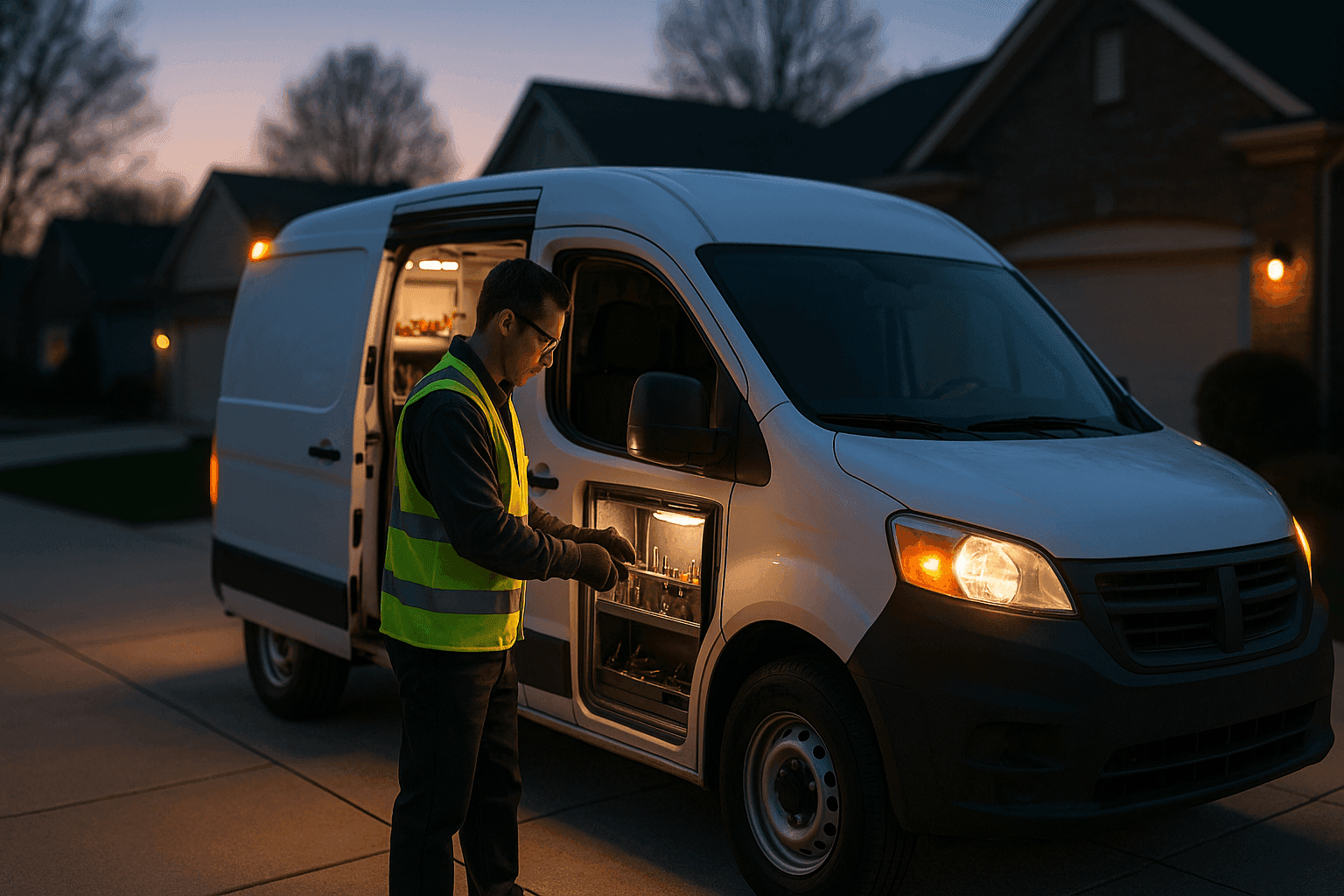
Locked out late at night? Key snapped off in the front door? We’ve all felt that wave of panic. When the unexpected strikes, you need help fast—but you also want to make the right call for your safety and your home.
At Trusty Locksmiths, we know emergencies don’t wait for business hours. Our background-checked, insured locksmiths are always ready to help—any time, any day. Here’s what every homeowner should know before, during, and after an emergency locksmith call.
Common Home Lock Emergencies 🏠
Home lock problems rarely come with a warning. These are the situations we see most often:
- Locked out of your home or car: Lost keys, broken locks, or doors that slam shut behind you.
- Broken key in lock: Keys snap—especially in cold weather or old locks.
- Burglary or attempted break-in: Damaged doors, frames, or locks needing urgent repair.
- Malfunctioning smart or mechanical locks: Batteries die, mechanisms jam, or handles break.
- Lost house keys or car keys: Especially stressful with kids or valuables inside.
- Cabinet & Postboxes near you jammed shut: Important documents or deliveries stuck out of reach.
Sometimes, emergencies spike during holidays or storms. People hurry, keys get dropped or forgotten, and bad weather can weaken doors and window frames. When stress is high, mistakes happen—fast.
How 24/7 Locksmith Services Work
When you call a locksmith in the middle of the night, you’re not just hoping for a quick fix. You’re trusting a stranger with your home’s safety. Here’s how the process should unfold:
- You call—day or night: A real person answers. They’ll ask what happened, your address, and if anyone’s in danger.
- We dispatch a technician: Only background-checked, uniformed locksmiths are sent. Our vehicles are marked for easy identification.
- Arrival with ID: The locksmith arrives, introduces themself, and shows official ID and company credentials.
- Assessment: They’ll inspect the issue—whether that’s a jammed door, broken key, or security upgrade after a break-in.
- Upfront explanation: Before starting, they’ll clearly explain your options, any risks (like needing to drill a lock), and give a cost estimate.
- Professional work: Using the right tools and techniques, they’ll resolve the problem—whether it’s picking, rekeying, replacing, or repairing.
- Follow-up advice: They’ll recommend any further repairs or upgrades to prevent future trouble.
Legitimate locksmiths never use high-pressure sales tactics, demand cash-only payment, or arrive in unmarked vehicles. If something feels off, pause and verify.
What to Ask Before Letting in a Locksmith
Your front door is the gateway to everything you value. Before opening up, ask:
- Are you insured and background-checked?
- Can I see your photo ID and company credentials?
- Will you give a clear estimate before starting work?
- Do you use non-destructive entry methods first, when possible?
- What’s your policy on damage or accidents?
Red flags to watch for:
- No uniform or ID
- Unmarked vehicles
- Evasive answers about credentials or costs
- Requests for payment up front, especially in cash
- Pressuring you into unnecessary replacements
A trustworthy locksmith welcomes your questions. At Trusty Locksmiths, our team is always happy to show ID and explain any part of the process.
Steps to Stay Safe During an Emergency Call 🚨
Emergencies make it easy to overlook basic safety. Here’s how to keep calm and protected:
- Stay inside if you can: Only open the door once you’re sure it’s the locksmith you called.
- Ask for ID through the window or peephole: Don’t feel awkward—real pros expect it.
- Keep valuables and children away from the entry point: Accidents can happen during repairs.
- Have your phone handy: Note the technician’s name and arrival time.
- If you feel uneasy, call the locksmith company to confirm the technician’s name.
If you suspect a scam or feel threatened, call the police. Your safety comes before any repair.
Follow-Up Security After Service
The emergency may be over, but your security shouldn’t stop there. After the work is done:
- Test the new lock or repaired door: Make sure it opens, closes, and locks smoothly.
- Ask for a receipt: It should have the company’s name, phone number, and a description of the work done.
- Request extra keys if needed: Key duplication on the spot prevents another lockout.
- Discuss security upgrades: If your locks were damaged by a break-in, consider stronger deadbolts, window locks, or a master key system.
- Check your insurance: Some policies require you to report a break-in or repairs right away.
Trusty Locksmiths can also offer advice on prevention—like how to reinforce doors, secure windows, or install smart access systems.
DIY vs. Call a Pro
Some lock issues seem simple. Maybe you think a coat hanger or credit card can do the trick. Sometimes that works—in movies. In real life, DIY attempts often cause more damage, making repairs pricier.
When is it okay to try yourself?
- If you’ve simply closed a non-locking door behind you and a back entrance is open.
- If you need to lubricate a stiff lock (use graphite, not oil).
When to call a locksmith:
- Broken keys, jammed locks, lost keys with no spare, or any sign of forced entry.
- Any time you feel unsafe, especially at night or during bad weather.
Professional locksmiths carry specialized tools, follow safety codes (see UK Door & Hardware Federation guidelines), and know how to avoid damaging doors or frames.
What Pros Do On Arrival
Expect a calm, methodical process:
- ID check and introduction: No rush—your safety comes first.
- Quick assessment: The locksmith will ask about the problem and examine the lock, door, or window.
- Non-destructive entry: Whenever possible, lock picking or bypass tools are used to minimize damage.
- Repair or replacement: If the lock is broken, it may be rekeyed, replaced, or repaired on site.
- Boarding up after break-in: If the frame or door is damaged, temporary boarding can keep your home secure until full repairs.
Every technician at Trusty Locksmiths follows a professional code of conduct and carries full insurance for your peace of mind.
Prevention & Maintenance
Prevention is the best “lock” of all. Here’s how to cut down on emergencies:
- Spare keys: Give one to a trusted neighbor or secure hideaway, but avoid obvious places.
- Annual lock checks: Like a flu shot for your doors—catch problems before they worsen.
- Upgrade old locks: Modern options like anti-snap cylinders and smart locks are harder to break.
- Weatherproofing: Damp and cold weaken older doors and window frames; check seals and hinges before winter.
- Regular key duplication: Worn keys can snap suddenly—keep backups fresh.
Check your local fire and building codes for lock requirements, especially if you’re renovating or upgrading.
Costs & Time Factors
Emergency locksmith services are never one-size-fits-all. Several things affect the cost and time needed:
- Time of day: After-hours, weekends, or holidays may take longer and can cost more.
- Type of lock: High-security or smart locks take longer to open or replace.
- Extent of damage: Simple lockouts are quick; broken keys or burglary repairs take longer.
- Parts required: Some locks or handles need special ordering.
On average, most lockouts are resolved in 20–40 minutes. Complex jobs or multiple repairs can take an hour or more.
When It’s an Emergency
Not every lock problem needs an urgent call-out. But these situations are true emergencies:
- Children or elderly locked inside/outside
- Pets trapped
- Signs of a break-in or attempted burglary
- Lost keys with your address attached
- Malfunctioning locks on main entry points
If safety is at risk, don’t hesitate. Your family and property come first.
FAQ
How can I tell if a locksmith is legitimate?
Ask to see a photo ID and company credentials. Check for a marked vehicle and uniform. Trustworthy locksmiths never mind extra questions.
What information should I have ready when I call?
Your address, a description of the problem, and whether anyone is in danger. If it’s a car lockout, note the make and model.
Can a locksmith open any lock?
Most, yes—especially with the right tools and training. Some high-security locks may require special parts or more time.
Will my lock or door be damaged?
Professionals use non-destructive methods first. Occasionally, drilling is needed, but only as a last resort.
Local & Seasonal Considerations 🌧️
Lock emergencies spike during:
- Holidays: More visitors, more keys in circulation, more lockouts.
- Storms and bad weather: Moisture and cold cause doors and locks to swell or jam.
- School runs and busy mornings: Rushing means mistakes—keys left inside, doors slammed by the wind.
Plan ahead. Key duplication and regular maintenance can keep emergencies from spoiling your day—or night.
Locked out or facing a home security emergency? Don’t let panic take over. Call Trusty Locksmiths now — or reach us anytime at 855-512-5584 . Your safety, comfort, and peace of mind come first.